

“Through political strategy, they keep us hungry. And when you gonna get some food, your brother got to be your enemy.” Bob Marley and the Wailers in his classic hit, Ambush in the Night warned that food scarcity and resource gaps could strain even the closest bonds, sometimes forcing people edge out others to survive.
A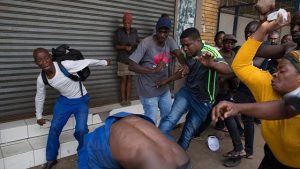 Melanin Rivalry-A poor brother rising against a starving brother. Xenophobic attack act in South Africa (Photo- the Independent)
It is however, dismaying that some deranged South African citizens seem to be directing and projecting their misplaced anger to the wrong and equally disadvantaged citizens of the larger state of Africa.
Having viewed a number of video clips of threatening messages to Africans of non-South African descent to flee from their country latest 30th, June 2025. However, one thing is very clear; this is a case of a brother hating a brother without even analyzing the trigger of their common problem, which is hunger and poverty.
One of the greatest contributions by other African states to South Africa during its dark days of oppression and apartheid was enormous material, financial, hosting and even moral support. The Organization of African Unity (OAU), the precursor to the Africa Union and individual African nations mounted intense diplomatic pressure globally. They continually lobbied the United Nations and the Commonwealth to isolate the apartheid regime, push for comprehensive international sanctions, and highlight the atrocities of the system.
At the risk of international sanctions, the “Frontline States”: Countries bordering or near South Africa—including Zambia, Angola, Mozambique, Zimbabwe, Botswana, and Tanzania—bore the brunt of the struggle. They provided forward operating bases, training camps, and political headquarters for exiled liberation groups like the African National Congress (ANC) and the Pan Africanist Congress (PAC). The same frontline states suffered immense economic hardship and direct retaliation for their backing. The apartheid government frequently launched cross-border raids, bombings, and funded armed rebel groups within these nations as punishment for hosting the liberation movements.
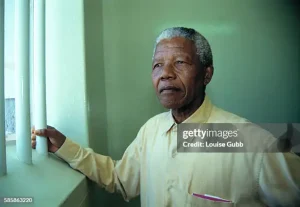
Nelson Mandela- Other African Countries supported him, the ANC and other freedom fighters during the apartheid. (Phot0: Getty Images)
Countries like Nigeria played a pivotal financial role by funding the ANC, offering scholarships for exiled students, and heavily financing anti-apartheid campaigns through its diplomatic power. Many nations, some from other continents like Cuba contributed significant funds, weapons, and logistical support. Tanzania provided safe refuge and citizenship passports for South Africans fleeing persecution with express orders from former president, Julius Nyerere who notably established sanctuaries and schooling for exiles
In Kenya, prominent opposition figures and politicians such as Jaramogi Oginga Odinga vocally championed the ANC cause and raised funds for the liberation struggle. President Cyril Ramaphosa, has publicly thanked Kenya for its historical solidarity, while acknowledging the pragmatic nuances that existed during the dark days of apartheid
While South African citizens have all reasons to accommodate and help them during their hour of need, they need to reflect on the causes of their problems. One of the reasons why South Africans feel marginalized is actually the impact of the Apartheid and colonization, which apparently is being practiced today.
Situated along the Orange River in the Karoo region, roughly halfway between Kimberley and Bloemfontein lies Orania, a private enclave whereby to purchase property or reside there, an individual must be a white Afrikaner, speak Afrikaans, and uphold specific Calvinist Christian values. I think this is where the anger should be directed. If the South Africans themselves cannot access parts of their country, why do they think Kenyans, Nigerians and Ugandans are the enemy?
The second reason is the bad governance and leadership challenges. Corruption in South Africa acts as a structural driver of state fragility, severely weakening public institutions, stalling economic growth, and eroding public trust. Widespread bribery, nepotism, and patronage networks have shifted focus from public service to elite enrichment, deepening the country’s socio-economic inequalities and service delivery failures.
If the citizens of South Africa faced head on and move towards fixing the two reasons, why they feel inadequate to host other equally innocent and poor Africans, it would be the first remedy.
Let the citizens remember that the first foundational objective of the Africa Union is Unity & Solidarity: Achieving greater unity and solidarity between African countries and their peoples. It is therefore wise that they must coexist with to other Africans.
Finally, other Africans stood with South Africa during its worst days, its morally right for them to let other Africans stay, live and work in South Africa.
Leave a comment